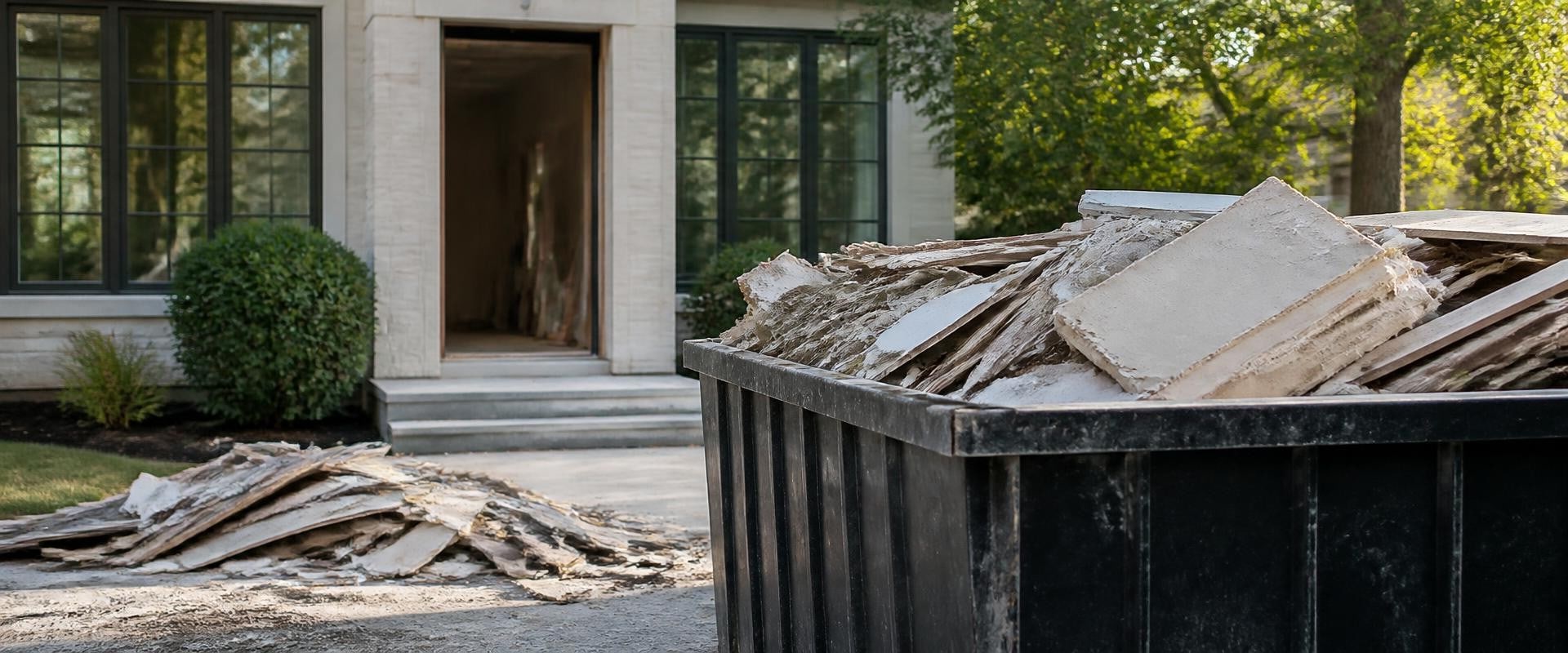
Planning a renovation cleanup and responsible debris removal is easier to navigate when people begin with clear goals instead of a long, unfiltered list of options. Whether the project is personal, household-related, or business-focused, the useful first step is to define what success looks like, what constraints matter, and which questions need a reliable answer. A careful plan makes it easier to compare information without rushing a decision. Readers of deck repair can use this guide as a practical starting point rather than a substitute for professional advice where it is needed.
Start With the Outcome You Need
Before comparing providers, products, or approaches, write down the outcome that matters most. In the context of planning a renovation cleanup and responsible debris removal, that might include safety, convenience, performance, cost control, timing, or confidence in the next step. Rank these priorities instead of treating every feature as equally important. This creates a useful filter for sales messages, online research, and conversations with knowledgeable professionals. It also makes it easier to recognize when an attractive short-term option does not actually support the result you want over time.
Gather the Details That Change the Decision
General advice can be useful, but decisions improve when it is tied to the details of a real situation. Consider the location, expected use, existing conditions, maintenance requirements, available budget, and any rules that could affect the project. Ask for plain-language explanations of technical terms and keep notes on what is included, what is optional, and what needs to be verified later. For planning a renovation cleanup and responsible debris removal, the small details often determine whether an option is truly suitable or merely sounds appealing at first glance.
Compare More Than the Initial Price
Price matters, but it rarely tells the full story. Compare quality, reliability, service expectations, compatibility, warranties, scheduling, and the likely cost of changes later. A lower initial quote may be sensible when the scope is genuinely similar, while a higher quote may reflect materials, expertise, or support that reduce friction later. The goal is not to assume that expensive is always better; it is to understand what each option delivers. A written comparison makes the differences visible and prevents important questions from being forgotten.
Use a Short Question List
A few specific questions can turn a vague conversation into a productive one. Bring a list and record the answers so options can be reviewed fairly afterward.
- What assumptions are built into this recommendation?
- Which part of the decision has the greatest effect on long-term results?
- What maintenance, preparation, or follow-up should be expected?
- How will timing, availability, or changing conditions affect the plan?
- What evidence or documentation can help confirm the choice?
Build a Practical Next-Step Plan
Once the information is organized, choose the next action that reduces uncertainty. That may be measuring a space, checking a specification, requesting a written scope, arranging a consultation, or comparing two finalists side by side. Avoid making a decision simply because the process has become tiring. A brief pause for review often reveals a missing detail or a better question. The most useful plan is specific enough to act on, but flexible enough to adapt if new information changes the priorities.
Find Context That Supports Your Research
When a topic deserves a closer look, use resources that explain the relevant options in context and make it easier to prepare for a discussion. For readers researching planning a renovation cleanup and responsible debris removal, this resource on Indianapolis dumpster rental can be a useful next reference point. Review the information alongside the details of your own situation, and bring any remaining questions to a qualified provider or specialist. A well-informed conversation is usually more valuable than trying to force a decision from incomplete information.
Make the Decision With Confidence
Thoughtful decisions are rarely about finding a perfect option. They are about choosing an approach that fits the available information, the real-world constraints, and the outcome that matters most. Keep the notes, confirm the important details in writing, and revisit the priorities before making a final commitment. By treating planning a renovation cleanup and responsible debris removal as a process of comparison and preparation, people can move forward with more clarity and less avoidable stress. That is a useful standard for nearly any decision that affects daily life, a home, a vehicle, a family, or a business.
Keep the Process Organized
Create a short record of the options reviewed, the questions answered, and the factors that still need attention. This habit is especially helpful when more than one person is involved or when the project develops over several weeks. It prevents assumptions from becoming decisions and helps everyone return to the same facts. With a clear record and a realistic timetable, the next step becomes easier to explain, evaluate, and complete.