Why Regular Deck Repair and Maintenance Matters
Your deck is one of the most valuable outdoor living spaces your home has to offer, providing a place for family gatherings, relaxation, and entertaining guests throughout the warmer months. However, constant exposure to sun, rain, snow, and temperature fluctuations takes a serious toll on deck materials over time, making regular repair and maintenance essential to preserving both the safety and beauty of this important investment.
Neglecting deck repair can lead to costly structural problems that compromise the safety of everyone who uses the space. What starts as minor cosmetic issues like surface cracks and fading stain can quickly escalate into serious structural concerns including rotted joists, loose railings, and unstable support posts that require extensive and expensive professional intervention to correct.
Common Deck Problems and How to Identify Them
Wood Rot and Decay
Wood rot is the most common and potentially dangerous problem affecting wooden decks across the country. Caused by fungi that thrive in moist conditions, wood rot can silently compromise the structural integrity of your deck long before any visible signs appear on the surface. Learning to identify the early signs of rot is essential for catching problems before they become serious safety hazards.
Signs that your deck may have wood rot include:
- Soft or spongy areas when you press firmly on deck boards or structural members
- Discoloration or dark spots that differ from normal weathering patterns
- Boards that crack or crumble when probed with a screwdriver or awl
- Mushroom or fungal growth appearing on or between deck boards
- A musty or earthy smell emanating from beneath the deck surface
Loose or Damaged Fasteners
Over time, the nails and screws that hold your deck together can work themselves loose due to the natural expansion and contraction of wood as it absorbs and releases moisture with changing weather conditions. Popped nails create tripping hazards and allow water to penetrate into the wood, accelerating the deterioration process. Regular inspection and replacement of damaged fasteners is one of the simplest and most effective deck maintenance tasks.
Warped and Splintered Boards
Deck boards that have warped, cupped, or developed significant splintering need attention before they become safety hazards for bare feet and create uneven walking surfaces. Minor warping can sometimes be corrected by removing the board, flipping it over, and resecuring it. However, severely warped or splintered boards should be replaced entirely to maintain both safety and visual appearance.
Essential Deck Repair Techniques
Replacing Individual Deck Boards
Replacing damaged deck boards is one of the most common repair tasks and one that many homeowners can tackle as a do-it-yourself project with basic tools and moderate skill levels. The key to a successful board replacement is selecting replacement lumber that matches the species, dimensions, and age characteristics of your existing deck boards as closely as possible.
To replace a damaged deck board effectively, follow this process:
- Remove all fasteners from the damaged board using a pry bar or drill
- Carefully lift the old board without damaging adjacent boards or underlying joists
- Inspect the joists beneath for any signs of rot or structural damage
- Cut your replacement board to the exact required length
- Pre-drill screw holes to prevent splitting in the new board
- Secure the new board with appropriate deck screws rated for exterior use
Repairing Structural Components
When deck repair extends beyond surface boards to structural components like joists, beams, and support posts, the stakes become significantly higher. Structural repairs often require permits and should be approached with careful planning and attention to local building codes. If you are not confident in your ability to assess and repair structural damage, consulting a professional deck contractor is strongly recommended.
Railing Repair and Reinforcement
Deck railings serve a critical safety function, particularly on elevated decks where a fall could result in serious injury. Loose, wobbly, or damaged railings should be repaired immediately. Check all railing posts for firmness by applying lateral pressure, and inspect balusters for damage or excessive spacing that could allow a child to slip through.
Deck Refinishing and Protection
Cleaning and Preparation
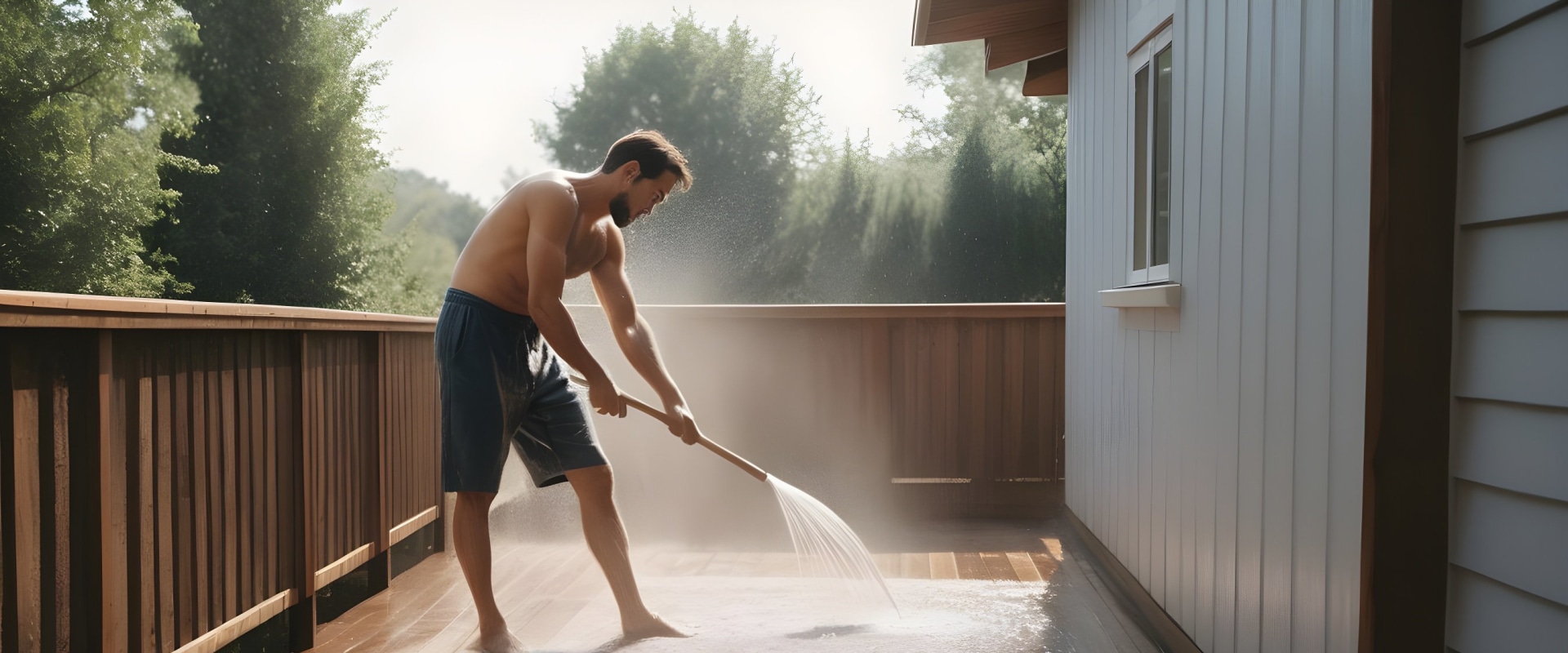
Before applying any new stain or sealant to your deck, thorough cleaning is absolutely essential for achieving long-lasting results. Power washing removes accumulated dirt, mildew, and old finish, but it must be done carefully to avoid damaging the wood fibers. Using too much pressure or holding the nozzle too close to the surface can create permanent damage that actually accelerates future deterioration rather than preventing it.
Choosing the Right Stain or Sealant
The market offers a wide range of deck stains and sealants, each with different levels of protection and aesthetic effects. Transparent sealers provide moisture protection while allowing the natural wood grain to show through, while solid color stains offer maximum UV protection but conceal the wood natural appearance beneath an opaque coating.
When to Call a Professional
While many deck repair tasks are suitable for handy homeowners, certain situations call for professional expertise and equipment. Any repair involving structural components, significant rot damage, or decks that are elevated more than a few feet off the ground should be evaluated by a qualified deck repair professional who can ensure the work meets safety standards and local building code requirements.
Explore our deck repair services to find qualified professionals in your area. Visit our blog for seasonal maintenance tips, and check our cost guide to budget for your upcoming deck repair and renovation projects.